Why Tankless Water Heater Maintenance is a Must

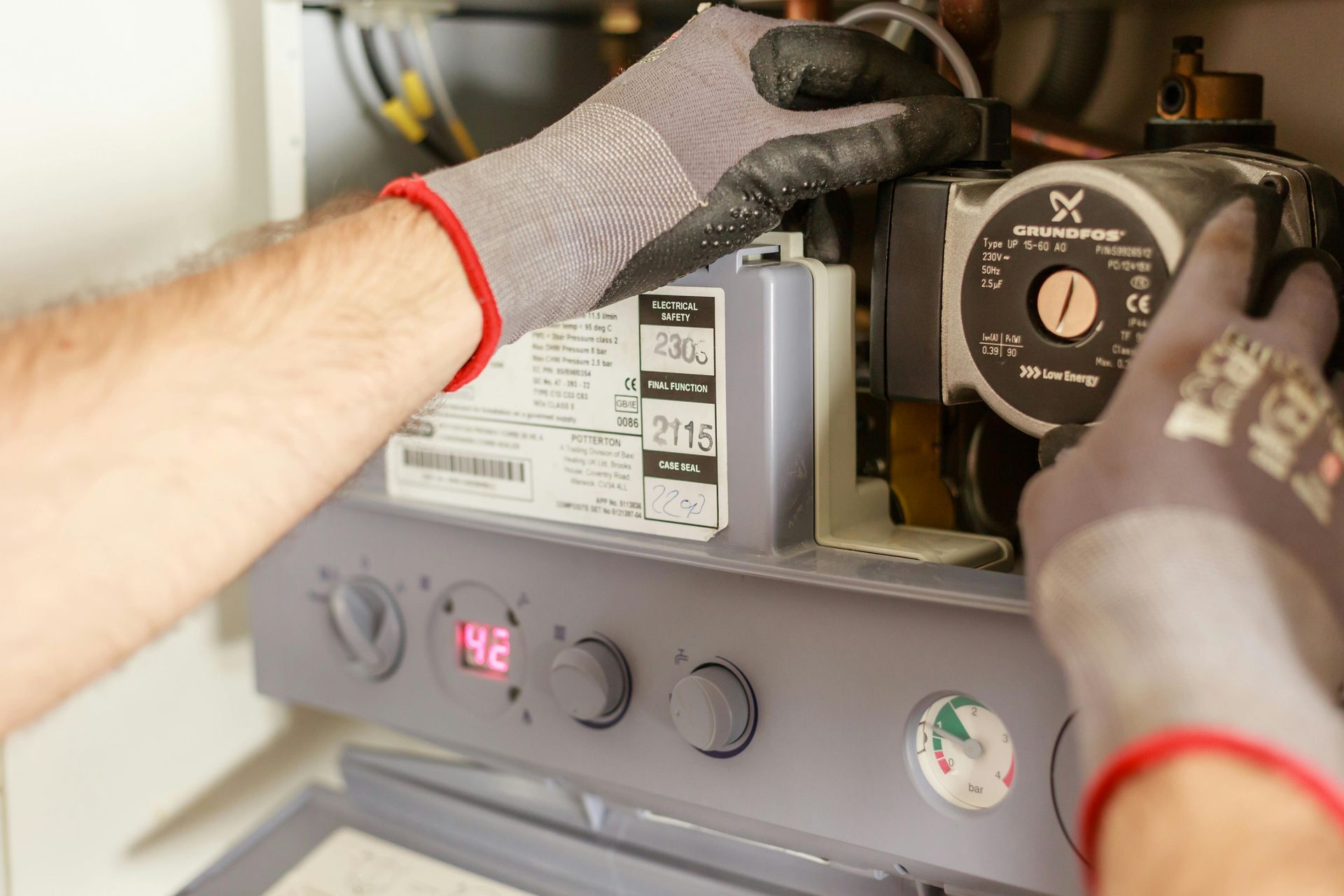
Everything needs some TLC from time to time, and water heaters are no exception. Whether your water heater is tank-style or tankless, gas or electric, all water heaters benefit from annual maintenance. If you've recently replaced an old water heater, or have never scheduled a check-up for your current water heater, you may be wondering: what's the worst thing that can happen if I don't?

And that's where Williams Plumbing comes in. As a Chattanooga-based company that's locally owned and operated, it's not only our job to respond to plumbing issues as they come up, but to help members of our community make informed decisions about how they care for their homes.

So, what are the potential consequences of skipping annual water heater maintenance?

Mineral Build-up

Minerals can begin accumulating (scaling) in water heaters in as little as a few months. Though the timeline varies due to the hardness of the water, the amount of water heater usage, and the type and quality of the water heater itself, scaling is bound to happen at some point.

Minerals accumulate on essential parts of your water heater, such as the heat exchanger, thus making it more difficult for the heater to function properly. This reduces efficiency and raises energy costs.

Undetected Problems

No one needs to tell you there's a problem when your hot water suddenly goes out. But subtle warning signs, such as leaks, corrosion or unusual smells, may go undetected by the average homeowner, leading to—at best—unpleasant surprises.

Voided Warranties

Inadequate maintenance may result in voided manufacturer warranties of otherwise warrantied parts or units. This can lead to unforeseen expenses that can quickly exceed the cost of a yearly check-up.

Takeaway

Annual check-ups for your tankless water heater are essential to ensuring the optimal performance of your unit. While flushing and checking for issues are beneficial anywhere, these preventative care practices are especially beneficial in Chattanooga, Tennessee and surrounding areas, where water tends to be moderately hard.

While you might be able to get by without annual maintenance, it's only a matter of time before a problem occurs—and it could be anything from an unexpectedly cold shower, to something that severely impacts the functionality of your home.

So, don't wait until there's a problem. Take action and call Williams Plumbing Services at 423-883-1490 today, or visit our website at williamsplumbingchatt.com/contact.

We look forward to serving you!

By Mary Knabb October 17, 2025
DIY is all fun and games… until it's not. Learn about the key considerations before attempting plumbing DIY projects, from assessing damage to understanding warranty implications.
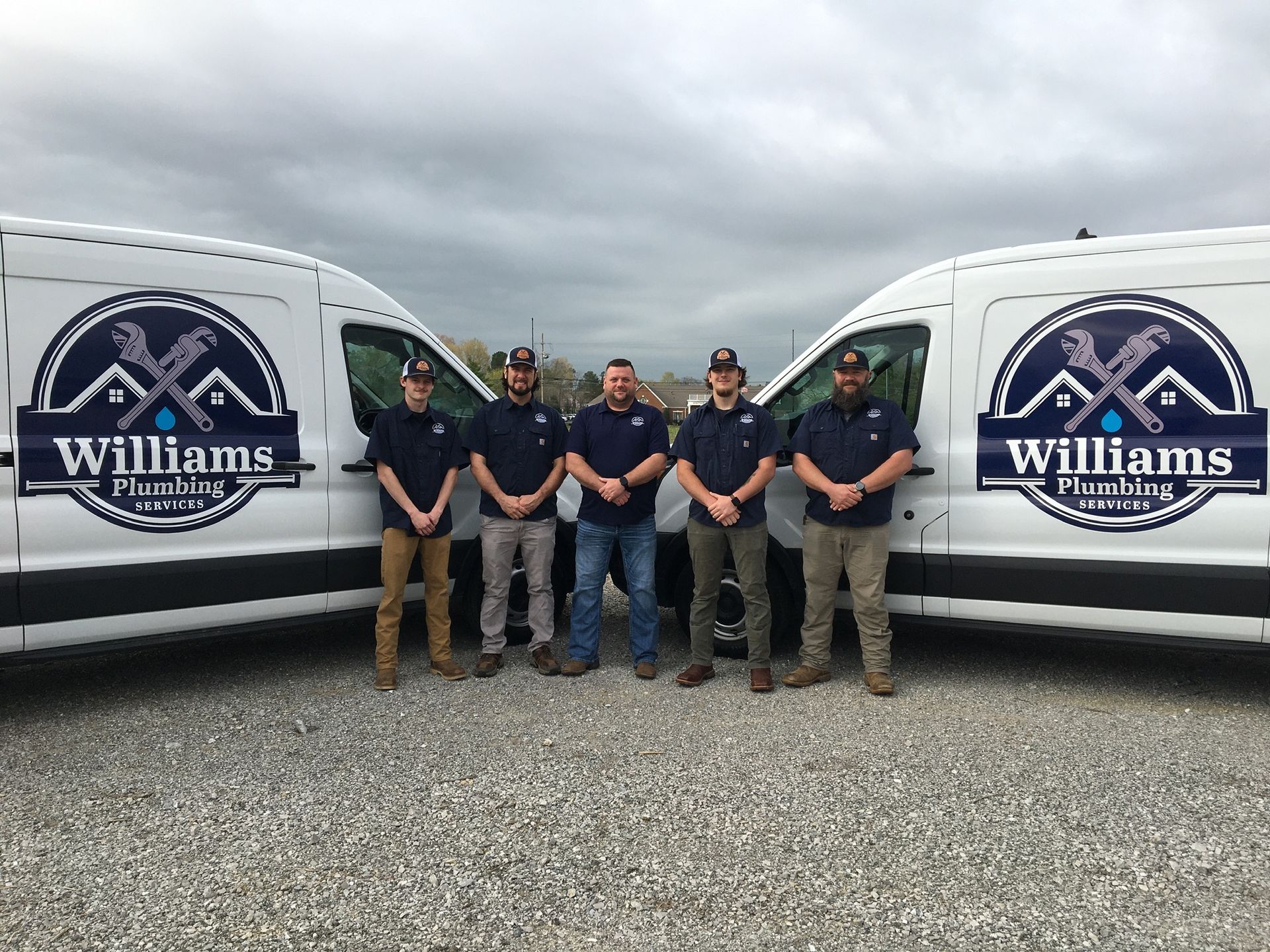
Five plumbers standing in front of two white vans with
By Williams Plumbing Services August 26, 2025
Learn why preventative plumbing maintenance is far less expensive than emergency repairs. Our technicians share essential tips to help avoid costly plumbing emergencies in your home.
By Williams Plumbing Services August 6, 2025
A comprehensive guide to choosing the right water heater for your home. Learn about storage tank, tankless, and heat pump water heaters, including pros and cons of each type to help you make an informed decision.
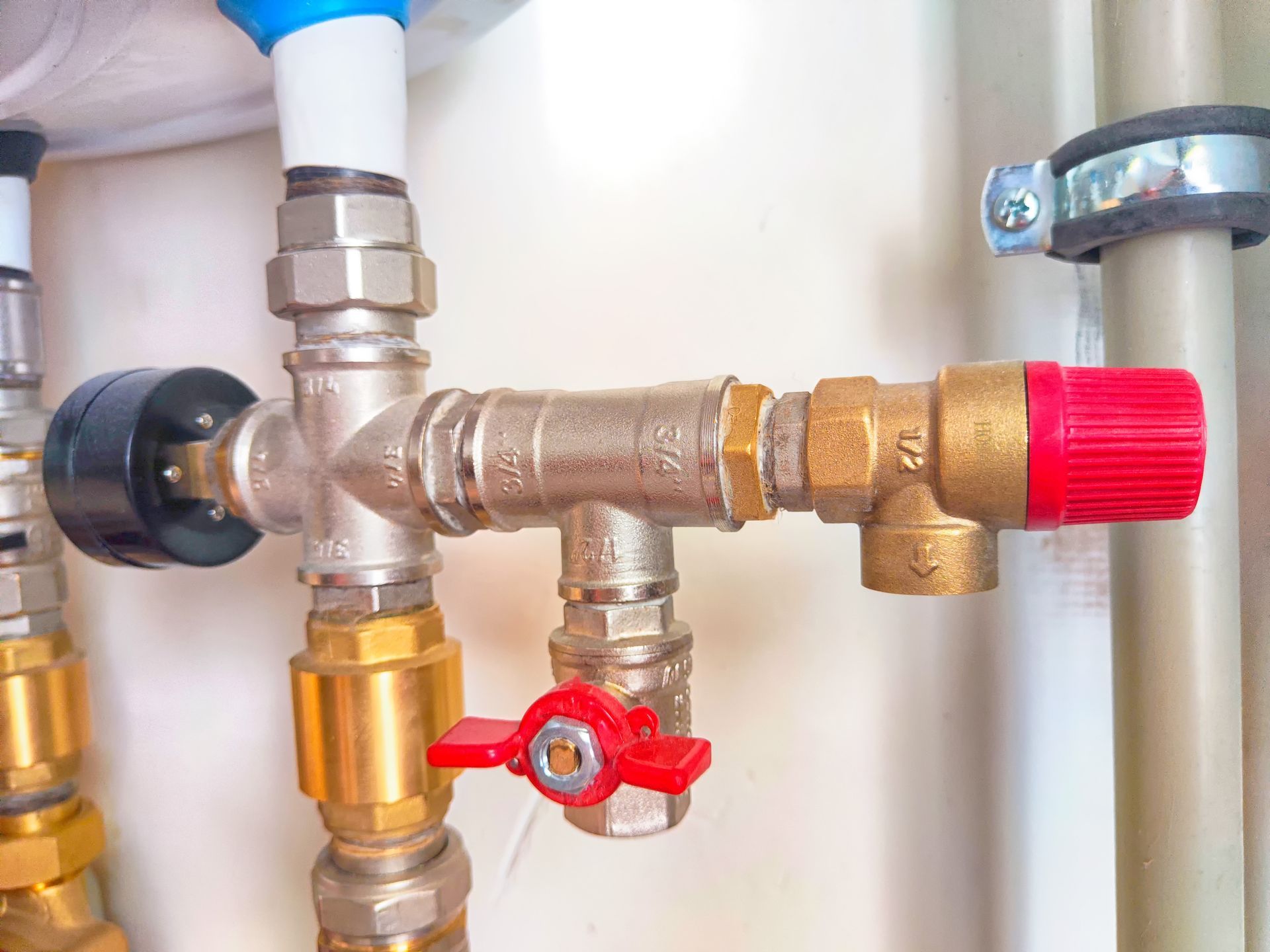
A close up of a valve on a pipe with a red cap.
June 13, 2025
This comprehensive guide walks homeowners through the different types of shut-off valves—main, fixture-specific, and outdoor irrigation—and how to use them during a plumbing emergency. It emphasizes the importance of being prepared to act quickly in case of leaks or burst pipes to avoid costly damage. For homeowners unsure about valve locations or facing complications, the blog recommends calling trusted professionals like Williams Plumbing.
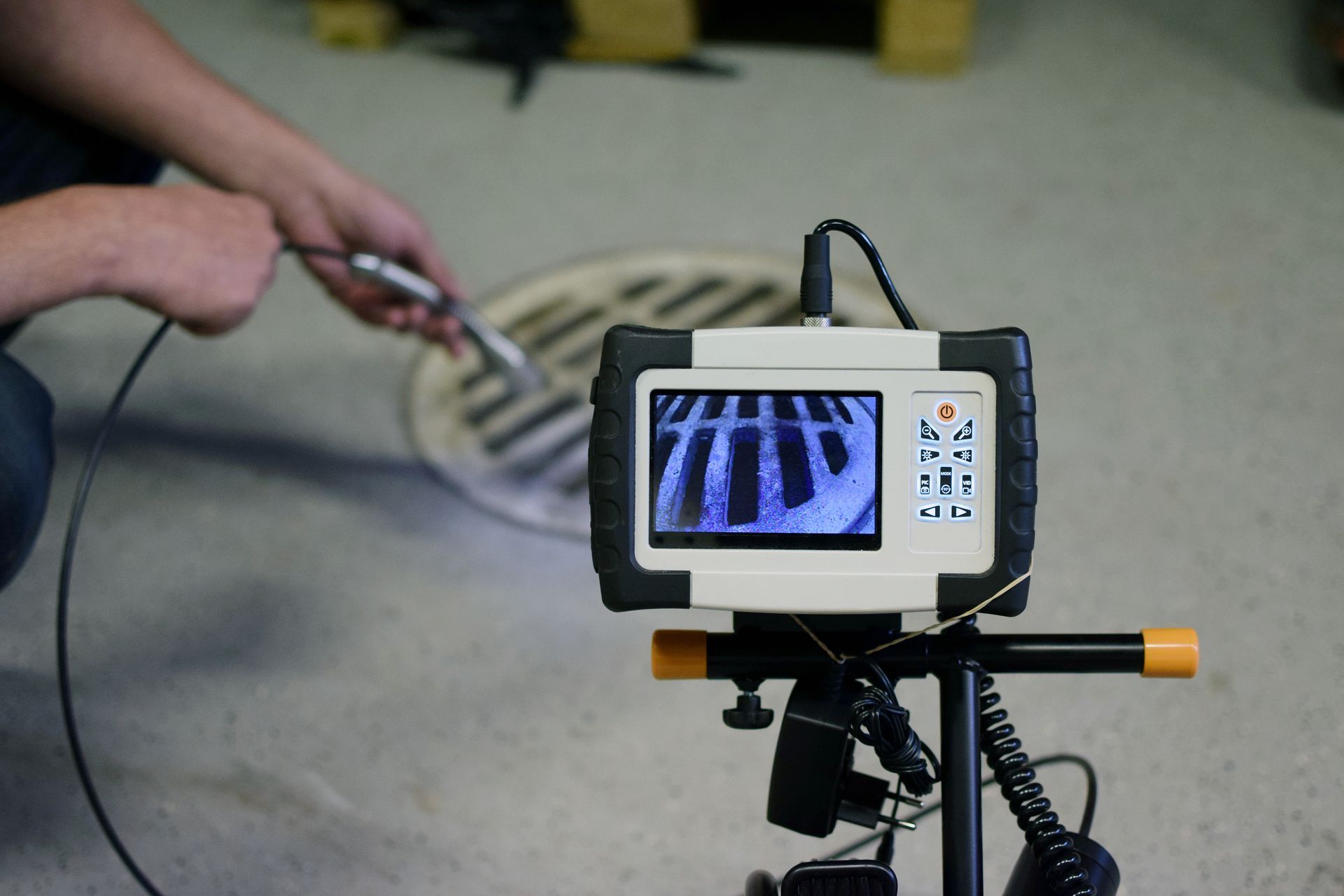
Man using sewer inspection camera
June 6, 2025
This article highlights the crucial but often-overlooked step of performing a sewer line camera inspection before purchasing a home. It outlines common problems such as tree root intrusion, pipe collapses, blockages, and DIY plumbing errors that traditional inspections might miss. For a fraction of the cost of major repairs, a camera inspection offers peace of mind and potential negotiation power.

A large house with a driveway leading to it is surrounded by trees.
April 24, 2025
Each year, millions of Americans purchase a home. Whether out of necessity or for the sake of fulfillment, buying a home is a major undertaking—one that can have a significant impact on your long-term stress levels and financial well-being. Knowledge is Power When searching for a home, it’s important to remember that behind-the-scenes operations (such as the plumbing system) contribute just as much to a home’s practicality and comfort as features such as size or location. And while it might be tempting to leave analysis of these systems entirely up to the home inspector, it’s never a bad idea to have a few questions prepared. Whether you’re a first-time home buyer or an empty-nester looking to downsize, it’s important to be as informed as possible before closing the deal. That’s why we at Williams Plumbing have compiled a list of 10 questions you should ask your realtor or inspector, so you can be confident in your purchase and comfortable in your new home. 10 Plumbing Questions to Ask Your Realtor or Inspector Does the home have high water pressure? High water pressure can be indicative of other issues, and if the water pressure has been over the optimal limit for an extended period of time, it is likely to have caused damage to the plumbing system as a whole. What material are the water lines made of? If you’re considering an older home, there’s a good chance the water lines are made of cast iron or galvanized pipe. These materials are not only more susceptible to damage than PVC or PEX pipe, they are also prone to rust and corrosion, which, aside from causing more hiccups in your plumbing system, can also mean that heavy metals are leaching into your water supply. How old is the water heater? With proper care and maintenance, the lifespan of a tank-style water heater is typically 10 to 15 years, and the lifespan of a tankless water heater is typically 15 to 20 years. Inquiring about the type of water heater in a home and its age and condition can help provide a clear expectation of post-sale expenses. Does the home have a water softener? Water softeners remove minerals such as calcium and magnesium from your water, thus helping to prevent build up in your pipes and appliances, and improving overall water quality in your home. The absence of a water softener could indicate a shorter lifespan for your appliances, and more wear and tear on your plumbing system in general. Does the home have a separate meter for irrigation? If curb appeal is high on your priority list, a separate meter for irrigation (or lack thereof) is definitely something worth considering when buying a home. A separate irrigation meter means more accurate measurements of water usage and a separate shutoff, meaning lower water bills and the ability to turn off the water supply to your irrigation system without affecting that of your home’s. Is the home on septic or sewer? Most of us don’t give much thought as to whether a home is on septic or sewer, but this information is crucial when deciding whether or not to buy a home. Both systems have their pros and cons, and it’s important to know what to expect. If the home is on septic, when was the tank last pumped? Generally speaking, septic tanks need to be pumped every 3 to 5 years. This may vary depending on the size of the tank and amount of water usage. Pumping a septic tank can cost hundreds of dollars, and it’s the last thing you want to be worrying about while settling into your new home. If the home is on sewer, what material is the sewer pipe made of? Though often more convenient than a septic system, sewer systems still need maintenance from time to time. Many homes may have sewer lines made of cast iron or clay pipe, which are more brittle and susceptible to damage than PVC pipe. Has the sewer pipe ever had a camera inspection? Camera inspections can expose potential issues with sewer pipes. Leaks, tree roots, blockages, and just normal wear and tear can all be exposed with a camera inspection. Is the basement or crawl space prone to flooding? No one wants a soggy basement or crawl space. Aside from the increased potential for mold, mildew, and bad smells, a flood-prone property can indicate plumbing issues to come, such as slow drains and an increased risk for backups. Wherever you live, plumbing problems are inevitable, but knowing the right questions to ask can help you make informed decisions that can help you save a lot of time, money and hassle in the long-run. Call Before You Close Buying a home is a big step—hardly a decision to make lightly! If you need clarification or a second opinion on a home inspection, Williams Plumbing Services will be happy to help any way we can. Call: 423-883-1490 
SHOW MORE